
Showcase Presenters

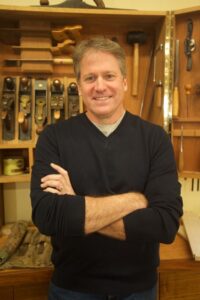
Tom McLaughlin

Tom McLaughlin apprenticed in the early 90s with Master Craftsman P.A. “Pug” Moore of Rocky Mount, NC. Over his 30+ year career he has designed and built a myriad of custom pieces for clients seeking to own pieces that are as much a work of art as they are functional.

As a 25-year member of the New Hampshire Furniture Masters, and former Chairman, his work has become recognizable for its dramatic use of figured wood, creating a sense of movement in each piece.

Tom can be seen on repeat episodes hosting Classic Woodworking with Fine Woodworking on PBS TV, and he’s a frequent contributor to Fine Woodworking Magazine.

In 2016, Tom shifted his focus from commission work to teaching on his Epic Woodworking platform. He and his wife Kris enjoy furthering the craft by providing resources and instruction for all levels through a free weekly livestream called Shop Night Live on YouTube, Online courses, and In-shop classes at his shop in Canterbury, NH.

They also offer a community Membership experience called “The Neighborwood” which brings together woodworkers from all over the world with the goal of expanding skills and inspiring creativity.

Be sure to check out Shop Night Live, Thursdays at 7:30 pm ET. Each week Tom goes live from his shop and demonstrates tips and techniques or walks viewers through a small project. It’s free—catch the link here each week: epicwoodworking.com/SNL. Can’t watch it live? There are over 200 episodes archived at the Epic Woodworking YouTube channel, check them out anytime!

If you’ve yet to experience his teaching style, you’re in for a treat as he clearly delivers concepts for those at various levels of expertise to understand, with professional skill and a disarming humor. In addition, Tom is always glad to field questions throughout.

Presentation:

Shellac, The Wonder Finish
A fine finish can make all the difference in the success of a project. And shellac, a choice of old masters, continues to produce beautiful, museum-quality surfaces today. In this webinar, Tom McLaughlin will explore the characteristics and versatility of this “wonder” finish with a focus on the practical approaches and techniques he uses to achieve great results. Along the way, Tom will present samples and demonstrations showing the processes of preparation and application, including techniques for brushing, spraying, rubbing out, and waxing to achieve shellac’s timeless and classic effect.

_______________________________________________________________

Logan-Wittmer

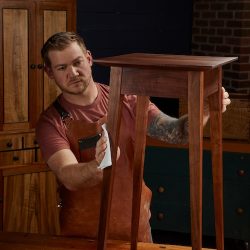
Logan Wittmer

Logan’s true love, apart from his family, is the craft of woodworking. Having caught the woodworking bug in middle school, Logan attended the University of Northern Iowa studying Graphic Communications with the intent of, one day, working at a woodworking magazine. After spending a portion of his career in the print industry, Logan became an assistant editor at Woodsmith magazine before taking the reins at Popular Woodworking. During the spring and fall, Logan’s often found on the water or in the woods hunting and fishing. When summer rolls around, Logan’s often found outside, late into the evenings, covered in sweat and sawdust, running his sawmill.

Presentation:

A chance for free lumber is hard to pass up for most woodworkers. Even logs and branches from trees cut down in the neighborhood can be turned into usable lumber. Often, they can be species you won’t commonly find in a lumberyard. Small pieces of wood like this can be used for making everything from turning blanks and tool handles to small cabinets and boxes.

You don’t need a huge sawmill to create lumber for your projects. If you have a bandsaw, you’re halfway there. Logan will demonstrate tips and techniques for turning smaller logs into usable boards using the band saw in your shop.

_______________________________________________________________

libby_schrum

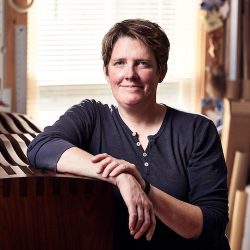
Libby Schrum

Libby Schrum is a professional furniture maker in Camden, ME. After completing the Furniture Intensive at the Center for Furniture Craftsmanship (2001), she earned an MFA in furniture design from Rhode Island School of Design (2005). In addition to making commission work, Libby spends a significant portion of her year as an instructor at the Center and working one-on-one with individuals in her own studio. She has exhibited at top venues such as the International Contemporary Furniture Fair and the Architectural Digest Design Show in New York, and her work has been featured in The New York Times, Fine Woodworking, and 500 Chairs (Lark Books, 2008). In 2010, Libby was awarded the prestigious John D. Mineck Furniture Fellowship by Boston’s Society of Arts & Crafts and was honored to be a 2025 recipient of the Maine Artist Fellowship by the Maine Arts Commission. Her website is libbyschrum.com.

Presentation:

Taking Your Work to the Next Level: Working from Plans & Making Them Your Own

  • Working from a drawing/plan for a small shaker table with a drawer, discussion will include:
    Choosing the “right” grain to make a statement and how to do it
  • The importance leaving everything a little bit oversized until you NEED to cut it down…allows for “design opportunities” previously considered mistakes in the cut everything to size and then build camp
  • Trying out new/different techniques for joinery than what is on the plan
  • Using blue tape, mock up legs
  • Cutting/shaping test pieces to try different ideas – making patterns of the winning option
    Discussion about modifying things like overlay or inset drawers, setbacks, overhangs, reveals, etc.

_______________________________________________________________

cerruto-photo

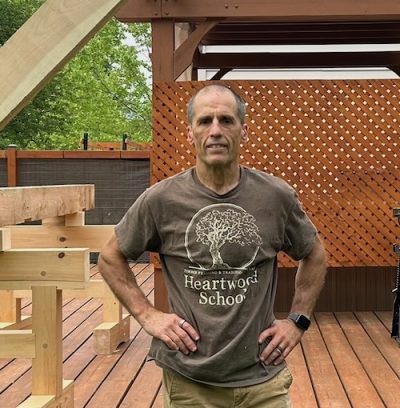
Rich Cerruto

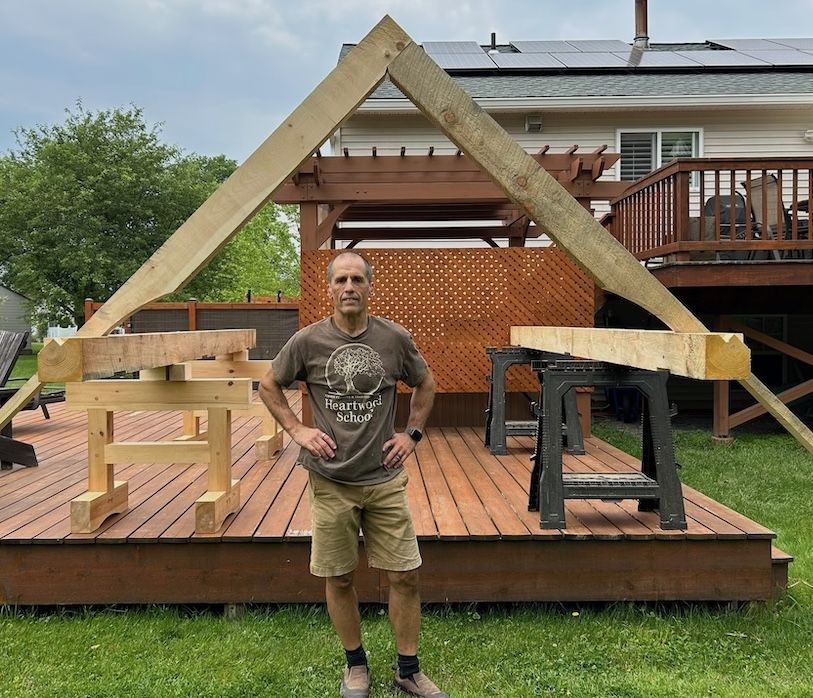
Rich Cerruto retired from engineering and IT sales management and discovered woodworking in 2018 after taking a Shaker Box building class and a canoe paddle building class at the Hudson River Maritime Museum’s Wooden Boat School. He then joined NWA and served as its Vice-President and President and currently serves as Vice-President of the Mid-Hudson Chapter.

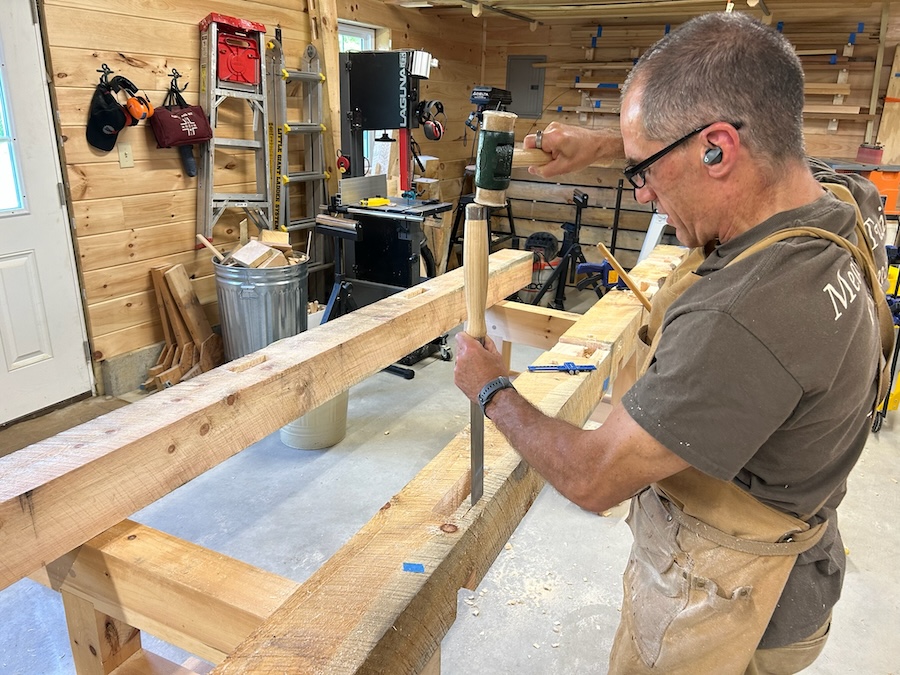
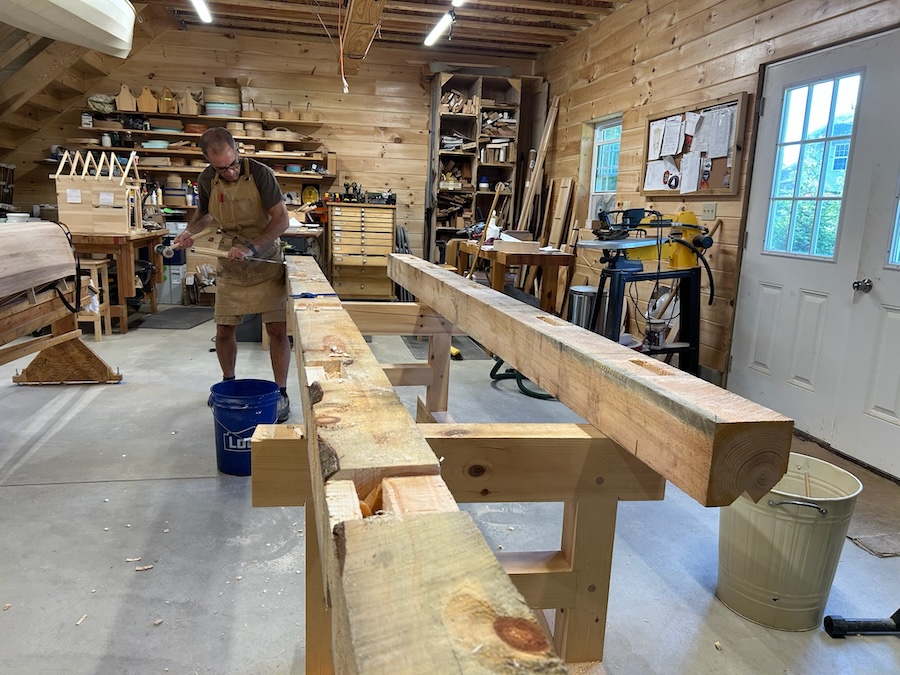
While building over 200 Shaker Boxes he taught himself skin-on-frame canoe building and has taught several classes on building these light-weight boats. He also hosts a boat building Special Interest Group at his home shop. Ever desirous of a new practical application of woodworking, he recently turned his attention to timber framing.

Presentation:

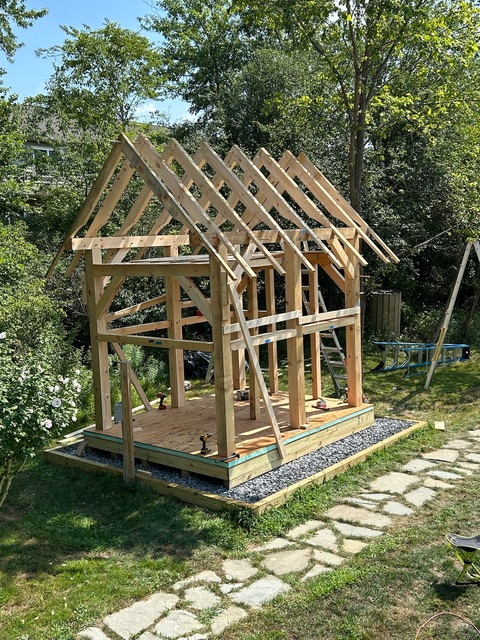
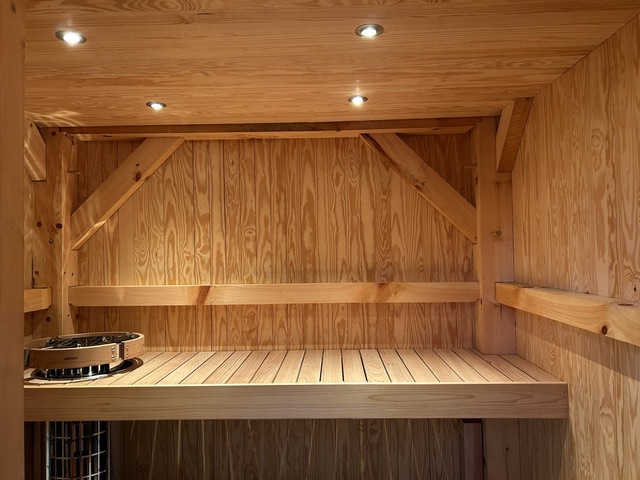
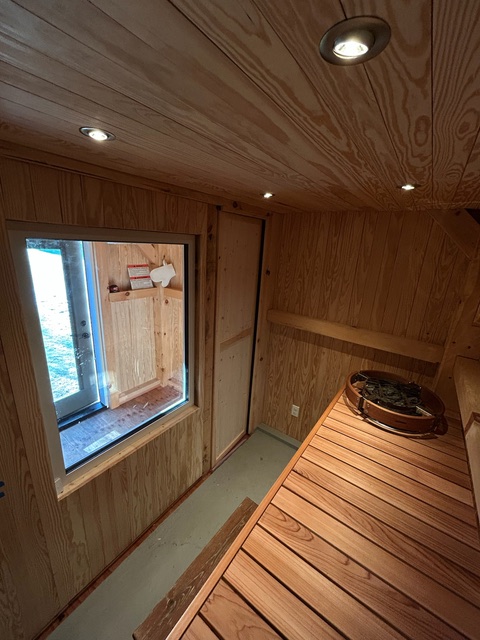
Building a Timber Frame Sauna
While stick-built construction is the norm, how were structures built before the days of abundant, perfectly milled, consistent kiln-dried lumber and nail guns? Take a journey back to the early 1800’s and learn how wooden frames were built using the Square Rule Timber Frame method and see it’s application to the construction of a modern outdoor sauna.

______________________________________________________

Ken Page

Ken Page

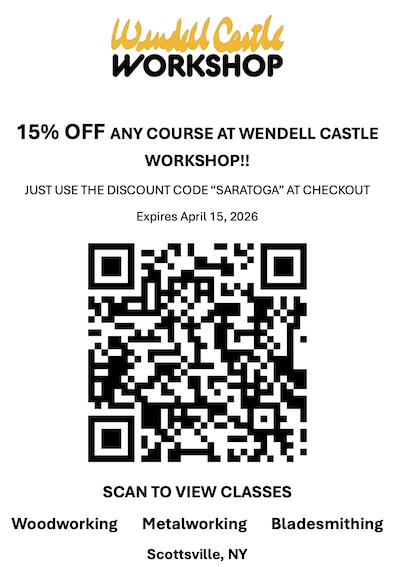
Ken Page is the director of the Wendell Castle Workshop (WCW), a nonprofit woodworking and metalworking school based in the former studio of the renowned Wendell Castle, widely recognized as the Father of the Art Furniture Movement. Castle’s groundbreaking work revolutionized the world of furniture design, and his legacy continues to inspire artists and makers today.

Before taking on the role of inaugural director at WCW, Page had a diverse career that bridged engineering and craftsmanship. While he was a part-time woodworker, he spent the majority of his professional life as an engineering program director in industries ranging from aerospace and automation to chemical manufacturing. This multifaceted background has equipped him with a unique skill set in leadership, project management, and team building—all of which have been instrumental in establishing and growing the Wendell Castle Workshop. Under his direction, WCW has become a dynamic hub for creativity, education, and artistic collaboration.

Presentation:

A Second Life for the Wendell Castle Studio
Wendell Castle, widely considered the Father of the Art Furniture Movement, has left a lasting legacy that continues to influence studio furniture makers, sculptors, and artists across disciplines. Conference attendees will have the rare opportunity to learn about the transformation of Wendell’s longtime studio—from a space where he created his iconic, large-scale works to a vibrant hub for woodworking and metalworking education, now home to the Wendell Castle Workshop (WCW). Despite the transition, the essence or “DNA” of the original studio has been preserved, allowing it to remain a powerful source of inspiration for all who enter.

For many years, Wendell’s studio also served as his family home, and a section of this historic space is now dedicated to WCW, offering classes and artist residencies. The workshop is a living tribute to Wendell’s creative spirit, with walls adorned by photographs of his work, images of him in the studio, and displays of his original sketches. The studio also has an on-site gallery, which features not only Wendell’s work but also pieces by his widow, Nancy Jurs. By working in the same space where Wendell crafted his groundbreaking masterpieces and using the very tools and machinery he once employed, WCW students and resident artists are deeply immersed in the environment that nurtured his vision. This unique experience sparks creativity and encourages the next generation of makers to push the boundaries of their own craft.
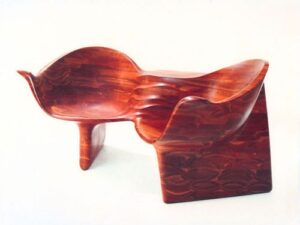
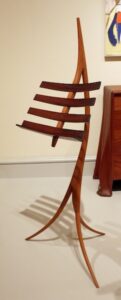
Ken Page woodworking       Ken Page form

_______________________________________________________________
Dave Parkis

Dave Parkis joined NWA in 2009 and took a class making a cabinet using only hand tools. That class sparked his love of hand tools, and he quickly went from making furniture to buying/selling/repairing hand planes and other woodworking tools.

Presentation:

This session will discuss various methods of rust removal frog seating, flattening the sole, and other aspects of bringing a plane back into serviceable condition. Dave doesn’t restore plates — that is — bring them back to original condition, he focuses on getting the tool to the condition where it will perform as it should.

_______________________________________________________________
Jim Pate

Jim Pate is a retired R&D chemist who grew up surrounded by the country antique furniture commonly found in the rural upstate New York area. Interest in this furniture grew to an appreciation of how this furniture was made and the tools/techniques used to create these hand-made pieces. Many years of going to country auctions and flea markets led to a growing collection of 18th and 19th century hand tools. The combination of antique furniture and their associated tools created a desire to understand how these tools were used and to develop the hand skills that were required to construct these furniture pieces. Jim has been a member of the Early American Industries Association (EAIA) and the Mid-West Tool Collectors (MW-TCA) for over 30 years as well as being a member of CRAFTS of NJ and the Hand Tool Special Interest Group of the Northeastern Woodworker’s Association.
 
Presentation:
 
Almost any trip to an antique shop or flea market will reveal the presence of old wooden planes.  They come in many sizes and shapes and were obviously an important part of historic woodworking.  Yet, for many woodworkers it can be hard to see whether these tools have any place in the modern shop. In this presentation, I would like to explore this question and to submit to you that some of these planes have unique capabilities that would be very difficult to recreate with modern power equipment.
 
In this presentation, I would like to demonstrate/discuss:
• Set up and adjustment of the blades
• Sharpening
• Use of the planes/design of moldings
• Identification and choice of useful used planes
 
Much of the discussion will focus on the use of hollows and rounds which are some of the most commonly found molding planes. Despite their apparent simplicity, the design of these planes are highly refined and capable of producing shapes that would be difficult to produce with modern equipment.

_______________________________________________________________
Barbara Raymond-LaPrease

Barbara Raymond-LaPrease is a very active of the Woodworkers of Central New York (WWCNY) and leads the club’s Scrolling Special Interest Group (SIG), which she founded in 2010. She also serves as a valued member of the Board of Directors.

Barbara began scrolling in 1997, inspired by a demonstration from Dale Whistler at the Syracuse club. Her first scroll saw required clamping to a workbench to prevent it from bouncing and used only pinned blades. That same year, her husband, Charlie, gifted her a Delta 16” VS saw — launching a passion that continues today! She later added a 26” RBI for cutting large puzzles, and in 2008 acquired an Excalibur after testing it at a Canadian show. Her collection also includes a DeWalt and two operating antique scroll saws, an 1877 Challenge model from Seneca Falls Manufacturing and a No. 387 Star model from Millers Falls.

Rather than specializing in one type of scrolled art, Barbara enjoys creating a wide range of scrolled pieces, from jewelry and ornaments to pictures, boxes, and puzzles. Most of her work is given as gifts or donated for raffles, special events, and the club’s charitable sales. 

_______________________________________________________________
Juliana Shei

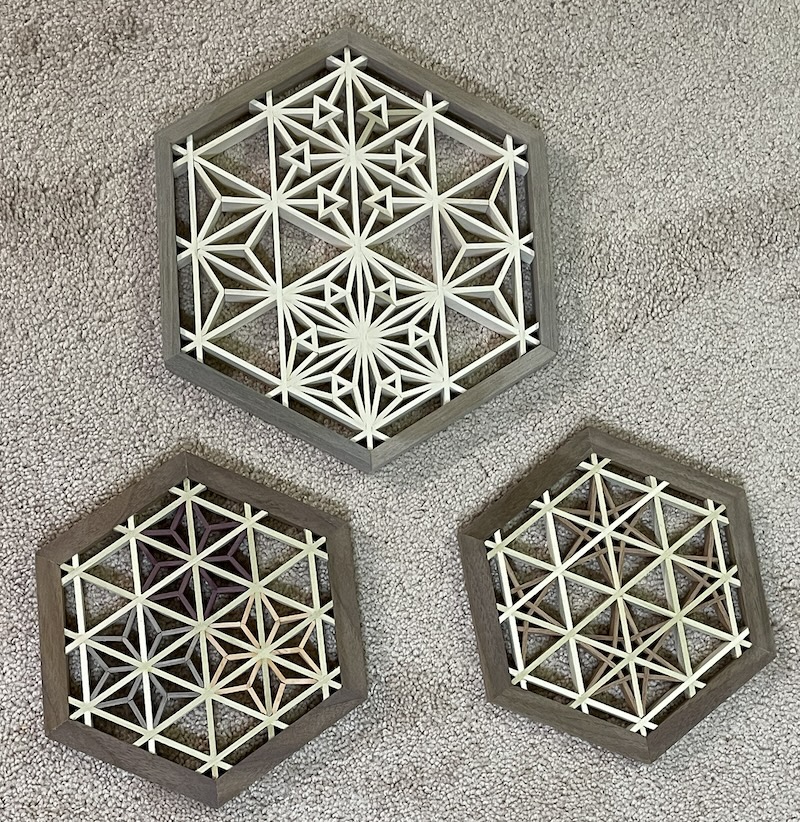
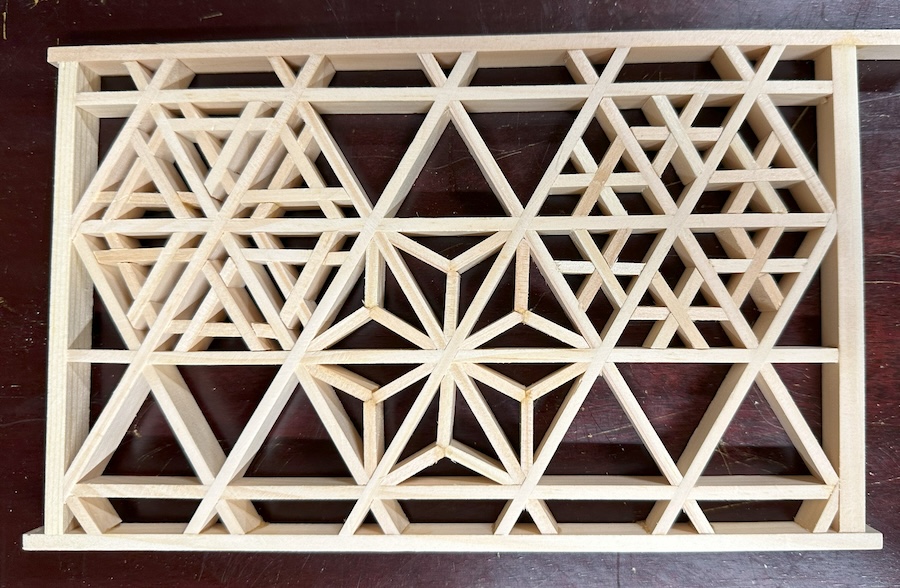
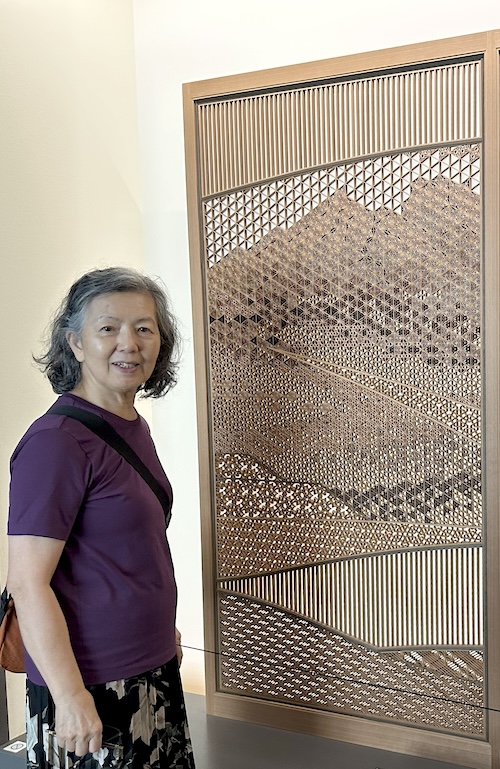
Juliana started woodworking when she retired. During a trip to Japan she had the opportunity to learn from Master Craftsman Kuniaki Kishi, developing a deep appreciation for the craftsmanship involved  in Japanese woodworking. Her most recent projects have focused on kumiko — traditional Japanese woodworking art creating beautiful patterns made of wood pieces held together without the use of nails.

Presentation:

Kumiko, Japanese Partition Art
Kumiko is believed to have originated about 800 years ago in Japan as part of the decoration for partitions in Japanese houses. In this presentation, Juliana will give an overview of the history and evolution of kumiko as an art, as well as demonstrating how some of the most popular kumiko patterns are made using the unique versatile jigs she developed.

_______________________________________________________________